dry lamination
Dry lamination is a widely used converting process for producing multi-layer laminates by bonding two or more webs—such as films, foils, and papers—using an adhesive that is applied and dried before lamination. It is especially common in flexible packaging, where it combines different substrates to achieve barrier properties, mechanical strength, printability, and sealability in a single structure.The process begins with unwinding the primary substrate, which is often a printed film. An adhesive, typically solvent-based or solventless, is applied to this web using a gravure, flexo, or roll coater system. In solvent-based dry lamination, the adhesive is dissolved in an organic solvent to obtain the required viscosity and coating weight. After application, the coated web passes through a drying oven, where hot air or IR energy removes the solvent, leaving behind a thin, uniform layer of adhesive on the substrate surface.Once the solvent has been effectively evaporated and residual levels are reduced to within acceptable limits, the coated web is brought into contact with the secondary substrate, such as aluminum foil, metallized film, or another polymer film. The two webs are pressed together under controlled nip pressure and temperature, allowing the adhesive to wet the surface of the second substrate and form an intimate bond. The resulting laminate is then wound into rolls and stored for a defined curing period, during which the adhesive fully develops its final bond strength and resistance properties.One of the key advantages of dry lamination is its versatility in combining dissimilar materials. For example, a transparent film can be laminated to a metalized film to deliver both visibility and high barrier to oxygen and moisture. Paper can be laminated to film for improved stiffness, print quality, and shelf impact, while foil laminates provide light, aroma, and gas barriers for sensitive products such as coffee, snack foods, and pharmaceuticals.Dry lamination also supports high production speeds and consistent coating quality, making it suitable for large-scale industrial use. Advanced drying systems and solvent recovery units are often integrated to improve energy efficiency and reduce emissions. Process control—such as monitoring of coating weight, web tension, drying temperature, and residual solvent content—is critical in ensuring laminate performance and compliance with regulatory standards, particularly for food-contact applications.Compared with wet lamination or extrusion lamination, dry lamination offers improved control of adhesive layers and compatibility with a wide range of adhesives, including polyurethane-based systems known for strong adhesion, flexibility, and resistance to chemicals and heat. As sustainability demands increase, developments in solventless and low-monomer adhesives, as well as thinner yet higher-performance substrates, continue to expand the capabilities and environmental profile of dry lamination technology.
Produkt
Kategorie:
-
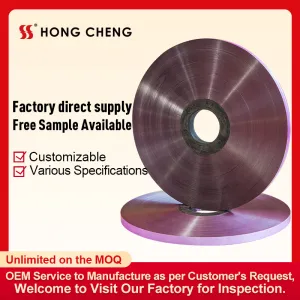
3Aluminum foil for Cable shielding AL+OPE(Single side pink color)
Ihre Klassifizierung: Cable Aluminum FoilAnsichten: 11Nummer:Veröffentlichungszeit: 2026-03-19 15:07:29 -
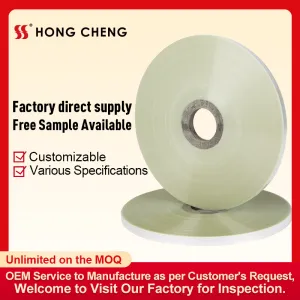
PET Polyester film for Cable (Transparent)
Ihre Klassifizierung: Cable Aluminum FoilAnsichten: 23Nummer:Veröffentlichungszeit: 2026-03-19 15:25:30 -
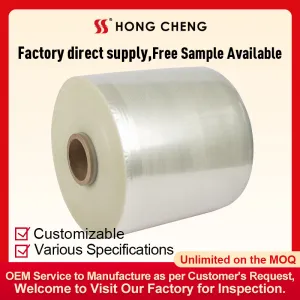
PET Spooling Polyester film for Cable
Ihre Klassifizierung: Cable Aluminum FoilAnsichten: 17Nummer:Veröffentlichungszeit: 2026-03-19 15:31:14 -
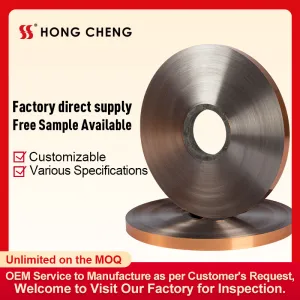
Single side Conductive mylar foil in pad with double sides copper color PET+AL
Ihre Klassifizierung: Cable Aluminum FoilAnsichten: 11Nummer:Veröffentlichungszeit: 2026-03-19 15:34:20 -
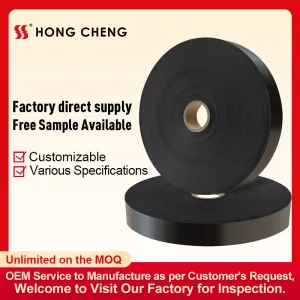
Black PVC for duct
Ihre Klassifizierung: Duct Aluminum FoilAnsichten: 13Nummer:Veröffentlichungszeit: 2026-03-19 15:42:15 -
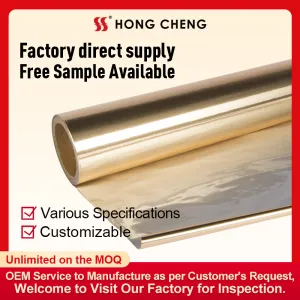
Aluminum foil with champaign golden color printing AL+PET
Ihre Klassifizierung: Packaging MaterialsAnsichten: 3Nummer:Veröffentlichungszeit: 2026-03-19 16:16:39 -
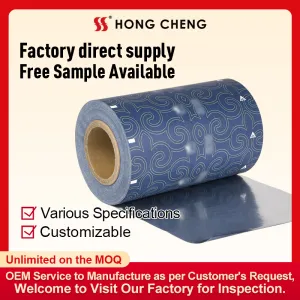
Kraft paper + PE extruding +VMPET +PE extruding ,Four-in-one Film
Ihre Klassifizierung: Packaging MaterialsAnsichten: 11Nummer:Veröffentlichungszeit: 2026-03-19 16:30:44 -
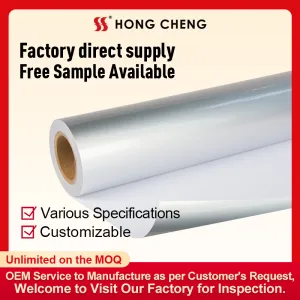
Aluminum foil with non-woven fabrics PET+AL+non-woven fabric
Ihre Klassifizierung: Thermal Insulation MaterialsAnsichten: 3Nummer:Veröffentlichungszeit: 2026-03-19 16:51:35
Nachrichten
Kategorie:
Keine Suchergebnisse!
Fall
Kategorie:
Keine Suchergebnisse!
Video
Kategorie:
Keine Suchergebnisse!
Herunterladen
Kategorie:
Keine Suchergebnisse!
Rekrutierung
Kategorie:
Keine Suchergebnisse!
Empfohlene Produkte
Keine Suchergebnisse!